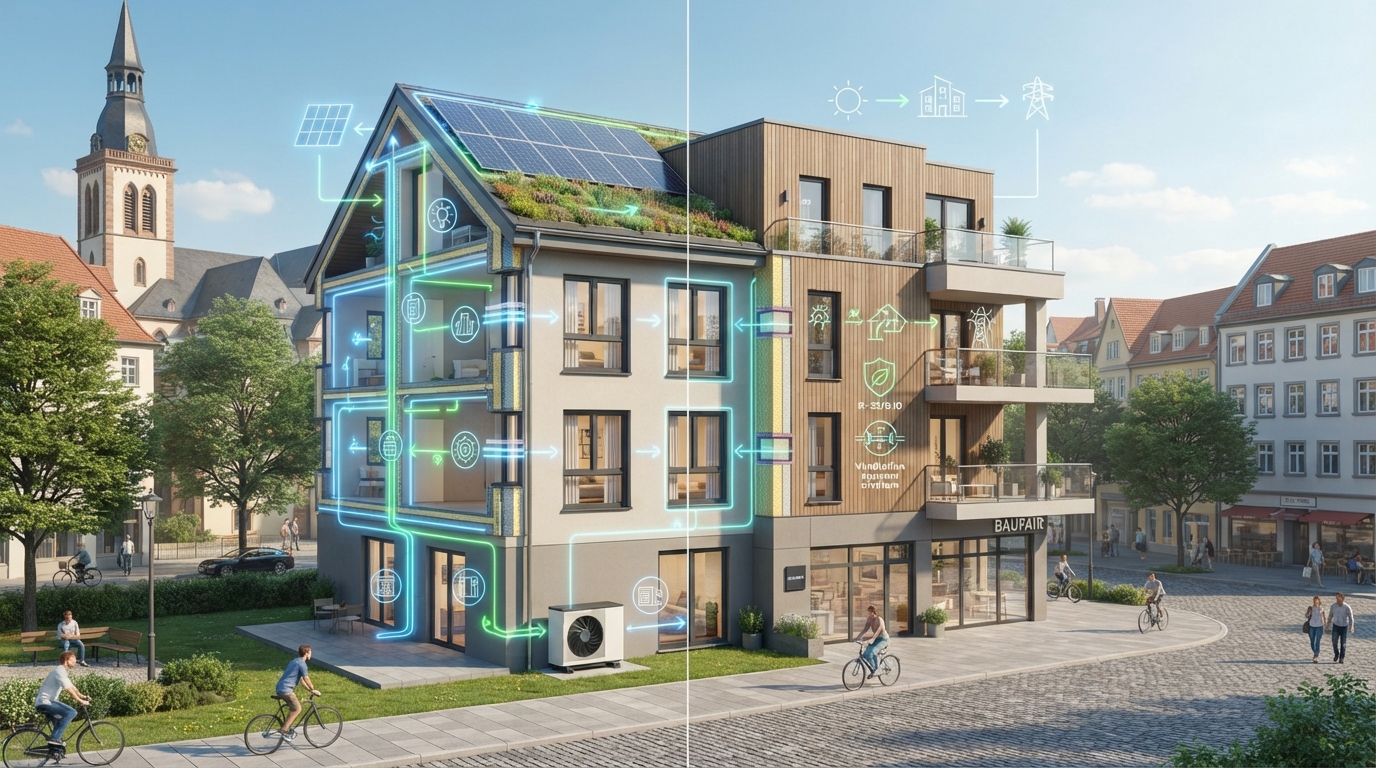
As the construction industry globally shifts towards greater sustainability, Singapore continues to lead with ambitious initiatives. On September 2, 2026, the Building and Construction Authority (BCA) launched Green Mark Version 7 (GM v7), an updated scheme designed to accelerate the adoption of green building practices across the city-state. For project owners and contractors in Singapore, understanding this new framework and its associated incentives is crucial for future project planning and competitive advantage.
What is Singapore Green Mark v7?
Green Mark v7 builds upon previous iterations to set even higher benchmarks for environmental performance in buildings. It aims to drive deeper energy efficiency, promote sustainable resource management, and enhance indoor environmental quality. A significant new addition in GM v7 is the Super Low Energy 70 (SLE70) tier, specifically designed for projects that achieve at least 70% energy savings over the 2005 baseline. This tier signifies Singapore's commitment to pushing the boundaries of energy performance in its built environment.
The BCA's overarching goal is ambitious yet clear: to have 80% of all Singapore buildings, by gross floor area (GFA), Green Mark certified by 2030. This target underscores the widespread impact GM v7 is expected to have on both new construction and existing building retrofits.
Leveraging Green Mark Incentives for Your Project
To support the industry in meeting these new standards, Singapore offers several financial incentives and schemes. These are vital for offsetting initial investment costs and making sustainable construction a more viable and attractive option for developers and contractors.
Green Mark Incentive Scheme for Existing Buildings 2.0 (GMIS-EB 2.0)
For existing buildings looking to upgrade their environmental performance, the Green Mark Incentive Scheme for Existing Buildings 2.0 (GMIS-EB 2.0) provides substantial financial support. This S$63-million cash incentive scheme is available until its funds are fully committed or until March 31, 2027, whichever comes first. It offers funding caps of up to S$1,200,000 or 50% of the qualifying costs for projects that achieve Zero Energy (ZE) certification. This makes it an invaluable resource for owners planning significant retrofits aimed at superior energy performance.
Built Environment Transformation GFA Scheme
Another powerful incentive, particularly for private site developments, is the Built Environment Transformation GFA Scheme. This scheme, valid until November 23, 2026, allows for up to 3% additional Gross Floor Area (GFA). This bonus GFA is granted to projects that adopt higher-tier outcomes in key areas such as digitalization, productivity, and, notably, sustainability. For developers, this can translate into significant commercial benefits by maximizing usable space while adhering to green building principles.
Practical Steps for Project Owners and Contractors
To successfully navigate Green Mark v7 and capitalize on available incentives, consider these practical steps:
- Early Integration: Incorporate Green Mark requirements and sustainability goals from the initial design phase. This is more cost-effective than making changes later in the project lifecycle.
- Expert Consultation: Engage accredited Green Mark professionals or consultants who can guide you through the certification process and identify eligible incentives.
- Technology Adoption: Explore innovative green building technologies and materials that can help achieve higher energy savings and meet SLE70 or Zero Energy targets.
- Documentation and Compliance: Maintain meticulous records of all sustainable features, materials, and energy performance data to ensure smooth certification and incentive application processes.
- Stay Updated: The regulatory landscape can evolve. Regularly check BCA's official announcements for any updates to schemes or guidelines.
Embracing Green Mark v7 is not just about compliance; it's an opportunity to enhance asset value, reduce operational costs, and contribute to Singapore's vision of a sustainable future. For construction professionals and project owners, understanding these changes and incentives is key to thriving in Singapore's evolving built environment.
📥 Free Download
Free Green Building Starter Guide
Practical steps for sustainable construction — materials, certifications, energy efficiency strategies, and cost implications explained.