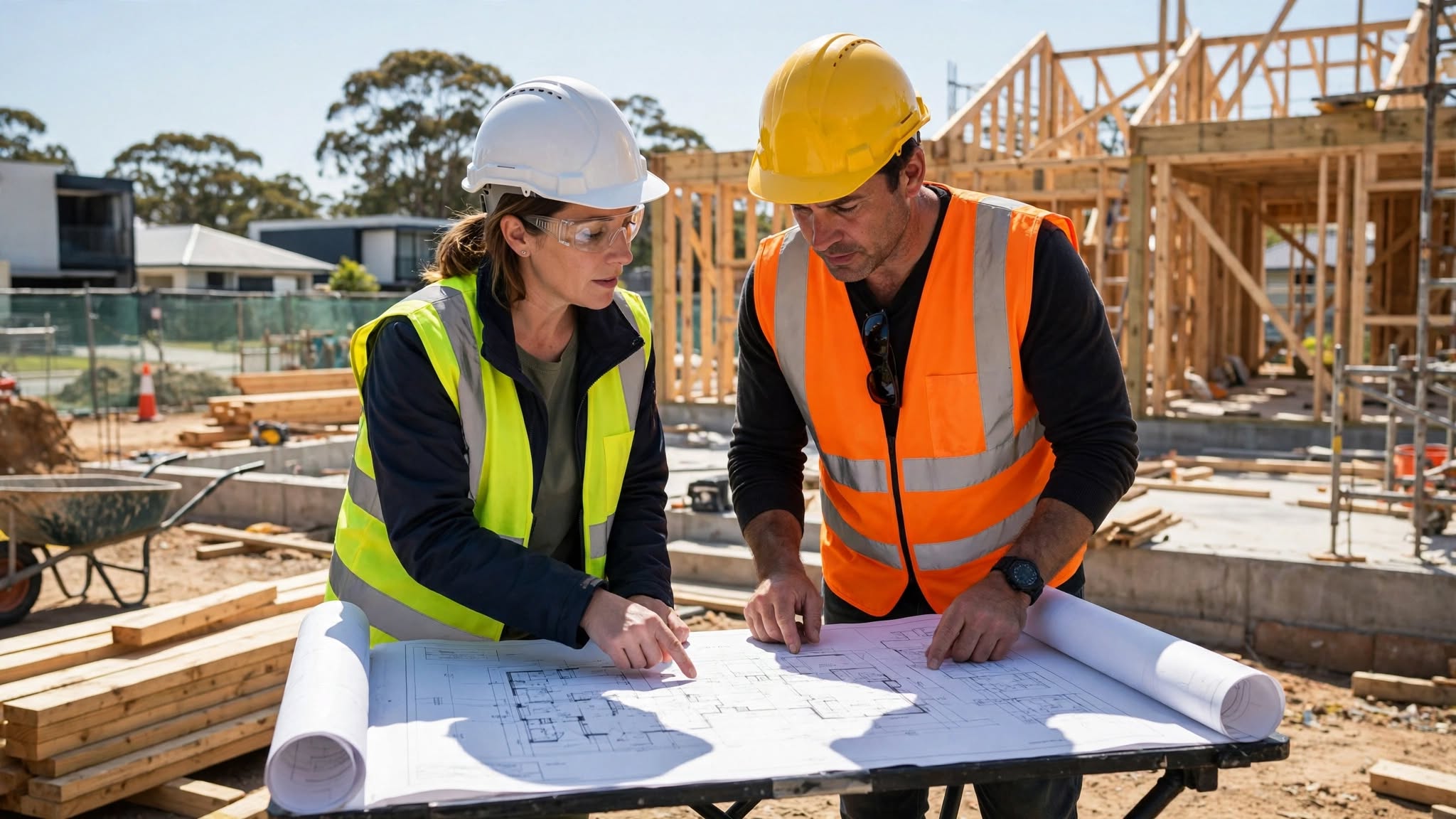
Choosing the right steel supplier is critical for any warehouse project in Australia. A reliable supplier ensures material quality, on‑time delivery, and compliance with local standards, which together protect your schedule and bottom line.
Why a Steel Supplier Vetting Guide Matters
Australia’s construction market hosts many steel fabricators, but not all can meet the rigorous demands of large‑scale warehouse builds. Without a systematic vetting process you risk:
- Receiving sub‑standard grades that fail structural checks.
- Delivery delays that push back the critical path.
- Unexpected price spikes due to hidden fees or poor contract terms.
- Non‑compliance with AS/NZS 3679 (steel structures) and other regulations.
Step 1: Define Your Project’s Steel Requirements
Start with a clear specification package:
- Structural grade (e.g., ASTM A36, AS/NZS 3679‑1).
- Shapes and sizes (I‑beams, channels, plates, etc.).
- Coating or finish (galvanised, pre‑painted, fire‑proof).
- Quantity estimates based on the structural calculations.
- Delivery schedule tied to your construction programme.
Step 2: Build a Shortlist of Potential Suppliers
Use a mix of sources:
- Industry directories such as Steel Institute of Australia (SIA) member lists.
- Recommendations from architects, engineers, or peers.
- Online marketplaces that feature Australian steel providers.
- Trade shows (e.g., Australian Construction Expo).
Step 3: Assess Financial Stability
Request recent financial statements or credit reports. Look for:
- Positive cash flow and low debt ratios.
- Evidence of ongoing contracts with reputable developers.
- Ability to secure performance bonds if required.
Step 4: Verify Certifications and Compliance
Australian steel suppliers should hold relevant certifications:
- ISO 9001 quality management.
- AS/NZS 3679 compliance certificates.
- Evidence of material traceability (mill test reports).
- Workplace health and safety accreditation (e.g., WHS accreditation).
📥 Free Download
Free Building Materials Procurement Checklist
A practical checklist for sourcing cement, steel, timber, and aggregates — supplier vetting, quantity estimates, and cost traps to avoid.
Step 5: Review Delivery & Logistics Capabilities
Warehouse projects often require bulk deliveries to on‑site staging areas. Confirm that the supplier can:
- Provide a detailed delivery schedule aligned with your critical path.
- Handle transport of oversized steel components (permits, route surveys).
- Offer on‑site handling or off‑loading services if needed.
Step 6: Request and Compare Detailed Quotations
Ask each shortlisted supplier for a formal quote that breaks down:
- Unit price per kilogram or per item.
- Coating or finish costs.
- Delivery charges (including any extra for remote sites).
- Terms of payment, discounts for early payment, and any escalation clauses.
Use a simple spreadsheet to compare total landed cost, not just headline prices.
Step 7: Conduct Site Visits or Audits
If possible, visit the supplier’s fabrication yard. Look for:
- Modern equipment (plasma cutters, CNC bending machines).
- Clean, organized storage of raw steel.
- Quality control stations and testing labs.
- Safety practices that reflect WHS compliance.
Step 8: Negotiate Contract Terms and Warranties
Key clauses to include:
- Material compliance warranties referencing AS/NZS standards.
- Delivery penalties for missed dates.
- Quality remediation procedures (replacement of non‑conforming steel).
- Insurance requirements (public liability, product liability).
Step 9: Set Up Ongoing Performance Monitoring
After the first shipment, track:
- On‑time delivery rate.
- Quality inspection results (e.g., weld quality, dimensional checks).
- Any issues raised and how quickly they are resolved.
Maintain a scorecard for each supplier; this data will inform future tender decisions.
Final Checklist
- Clear steel specifications and quantities defined.
- Shortlist created from reputable sources.
- Financial health verified.
- All required certifications confirmed.
- Delivery logistics aligned with project schedule.
- Detailed, comparable quotes received.
- Site visit completed (or virtual audit).
- Contract terms negotiated with warranties.
- Performance monitoring framework in place.
Following this vetting guide will help you secure a steel supplier who delivers quality, reliability, and value – essential ingredients for a successful warehouse construction in Australia.